30 second executive summary
India’s persistent malnutrition burden is closely tied to a widespread protein deficiency, driven by affordability, cultural preferences, and cereal-dominant diets. Nearly 40% of Indians consume less protein than required, despite its critical role in child growth, maternal health, and overall wellbeing. Addressing this gap demands systemic reform, expanding nutrition programs beyond cereals, investing in supply chains for diverse protein sources, and embedding nutrition literacy through public education. Positioning protein within a broader nutrition agenda is essential for improved health outcomes.
Introduction
India has grappled with undernutrition and malnutrition since decades. While the causes remain multifaceted, one of them is the protein deficiency in our dietary patterns as a country. Yet, only recently has protein entered the spotlight in India’s nutrition debate, with a singular focus on the nutrient’s need. It raises an important question, can protein deficiency truly be addressed in isolation, without considering the broader context of holistic nutrition?
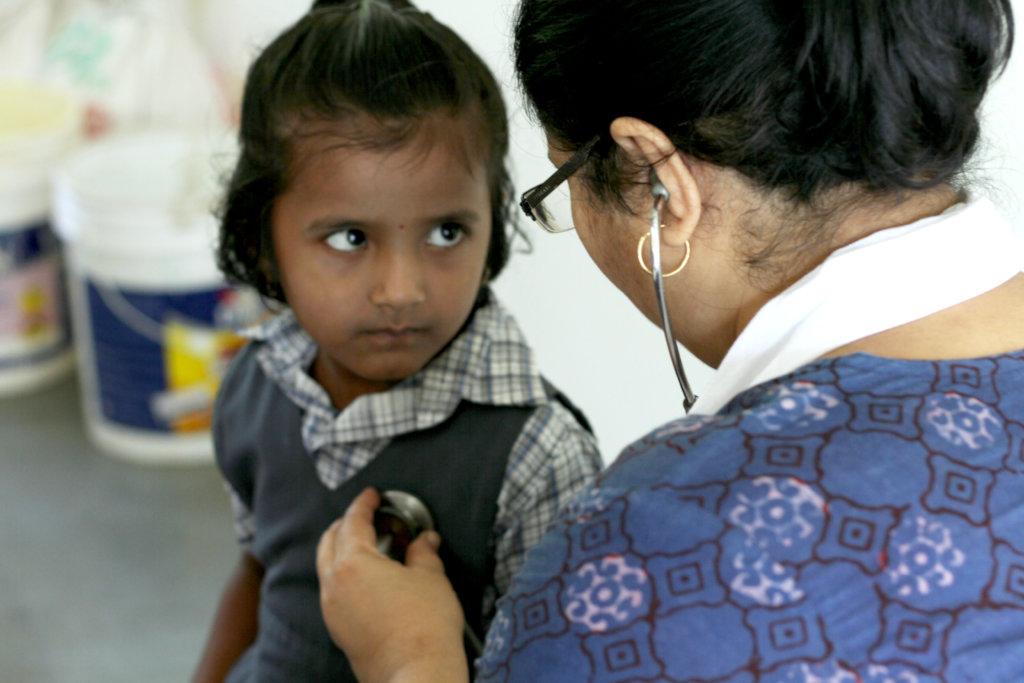
ICMR–NIN’s What India Eats shows that 36% of rural and 44% of urban Indians fall short on protein.1 NFHS-5 underscores this crisis, with 35% of children under five stunted and 32% underweight.2 Protein isn’t just a fitness buzzword, it is vital for child growth, maternal health and muscle strength across ages.3 By treating protein deficiency as a public health priority, India can take a more holistic approach to closing long-standing nutrition gaps.
Why is India protein deficient?
The reasons are layered and contextual to India, spanning affordability, culture, policy, and awareness. For many households, protein-rich foods like dairy, eggs, fish, and meat remain unaffordable, NFHS-4 and 5 data show that over 40% of the poorest adults and nearly 60% of pregnant women do not consume them regularly.4 Cultural preferences add to the challenge: with 39% of Indians vegetarian and 81% avoiding meat or eggs, thus access to complete protein sources is limited.5
Historically too, Indian diets have been cereal-heavy, with cereals contributing nearly half of protein intake in rural areas and about 40% in urban diets (ICMR–NIN 2021; MOSPI 2025).6 This is because the high cost of protein-rich foods only raises the barrier to a balanced diet7, thus cereals become the alternative and government policies like the Green Revolution, MSP, PDS, and the Food Security Act have also reinforced cereal-heavy diets.8
Finally, awareness itself is a challenge. Studies by UNICEF and ICMR–NIN show that nutrition literacy in India is low9 , most people are not fully aware of their needs across different macronutrients, silently fuelling the protein gap.
From Quick Fixes to Lasting Nutrition Solutions
We have previously witnessed trends, from ‘no sugar’ diets to ‘no fat’ fads. Due to the lack of awareness, these fads lead people to look for quick fixes in one’s diet. Notably, the ICMR-NIN’s Dietary Guidelines for Indians (2024) stress dietary variety and recommend consuming fats, sugars, and salt in moderation, such a dietary approach is essential to improve long-term health outcomes – both for over- and undernutrition10.
The market, meanwhile, has jumped onto the protein wave with delivery apps having protein rich filters, start-ups, and supplement powders. While innovation is welcome, the deeper challenges of affordability, accessibility, and awareness remain unmet. Solving for these requires public health solutions delivered keeping in mind the country’s context.
India’s protein challenge demands long-term, systemic action that makes protein affordable, accessible, and understood as part of a balanced diet. Strategies must reflect India’s rural–urban diversity, where food access, awareness, and lifestyles differ sharply.
Recommendations and way forward
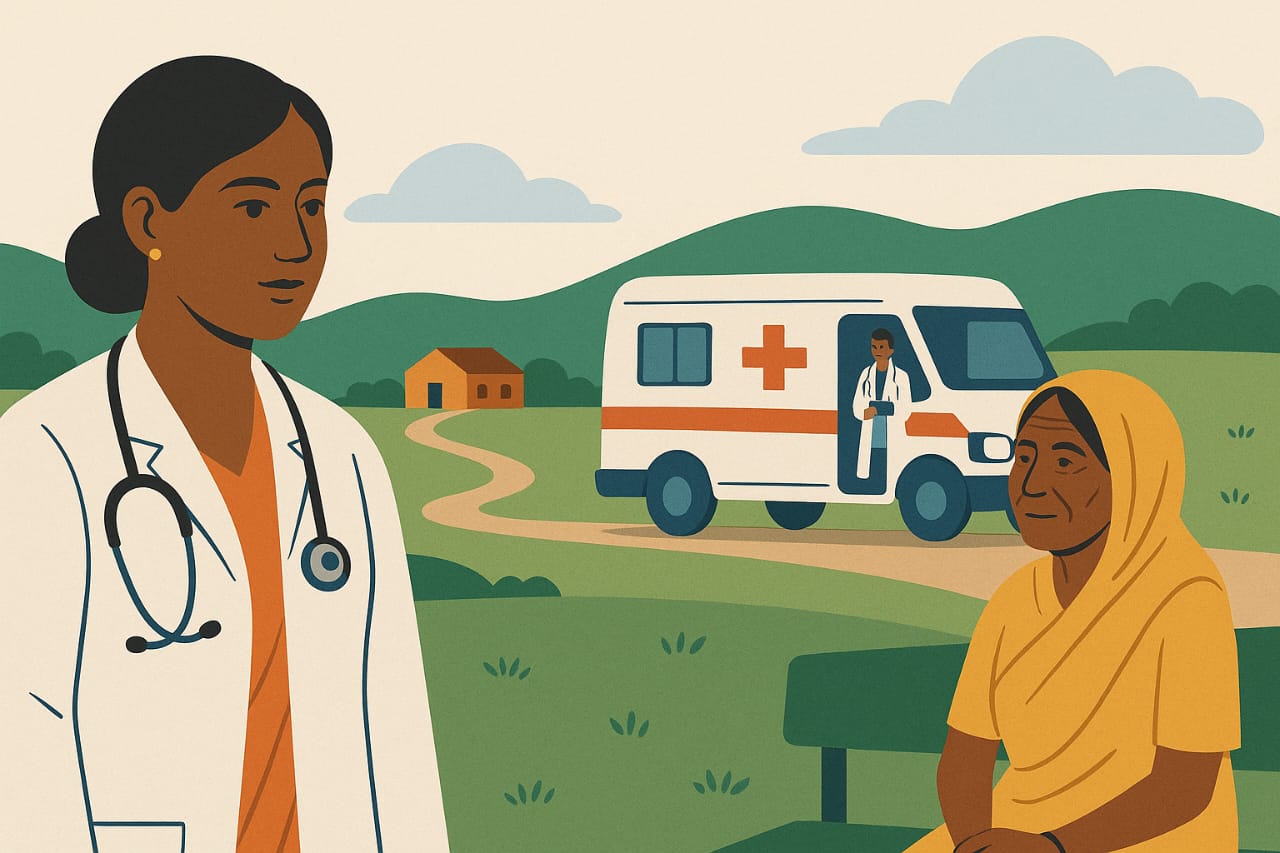
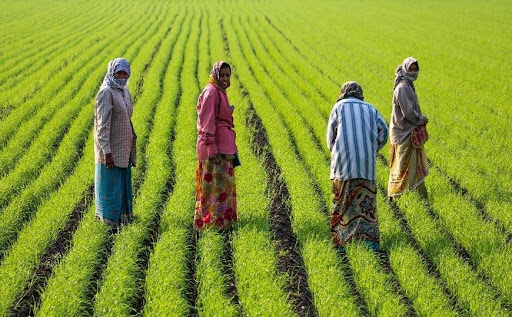
Rural areas: Despite higher levels of physical activity, diets remain heavily cereal-based, leaving significant nutritional gaps. Strengthening programs like Mid-Day Meals, ICDS, and Anganwadis to consistently include pulses, eggs, and milk powder can directly enhance nutritional outcomes. Expanding the Public Distribution System beyond cereals to offer affordable protein sources and linking these efforts to local poultry, dairy, and fish production, can help close the protein gap effectively.
Urban areas: In cities, where sedentary lifestyles and higher purchasing power prevail, the focus should be on balanced, informed choices. Awareness drives can reposition protein as part of everyday nutrition rather than a fitness trend.
Systemic and Long-Term Measures
- Public programs: Strengthen and diversify nutrition schemes (MDM, ICDS, PDS) to ensure steady inclusion of protein-rich foods.
- Educational campaigns: Launch a national ‘Sehat Plate’ campaign, modelled on the US MyPlate or Malaysia’s Healthy Plate11 , to show what balanced, protein-adequate meals look like. India can also learn from Japan’s Shokuiku-style food education law, which legally mandates embedding nutrition awareness in schools and communities.
- Infrastructure: Invest in cold chains, storage, and procurement systems for milk, eggs, fish, and pulses to ensure year-round affordability and access.12
Conclusion
This moment of expanding protein awareness should be anchored in public health, grounded in equity, and expanded beyond hype; else the gains will remain uneven. We must view protein not as a supplement or luxury, but as an essential building block in everyday diets, especially for vulnerable populations. Only a multi-stakeholder intervention, combining policy reform, education, infrastructure, market innovation, and community participation, can ensure this shift doesn’t remain symbolic and short-lived, but becomes structural and sustainable, meeting the nutritional needs of a fast-growing country.
References:
- Hemalatha, R., Laxmaiah, A., Sriswan, M. R., Boiroju, N. K., & Radhakrishna, K. V. (2020). What India eats. ICMR–National Institute of Nutrition.
- Steady improvement in indicators for malnutrition. (n.d.). Retrieved September 12, 2025, from
- Bandyopadhyay, S., Shivakumar, N., & Kurpad, A. V. (2020). Protein intakes of pregnant women and children in India—Protein quality implications. Maternal & Child Nutrition, 16(Suppl 3), e12952.
- Jain, A., Sharma, S., Kim, R., & Subramanian, S. V. (2023). Food deprivation among adults in India: An analysis of specific food categories, 2016–2021. eClinicalMedicine, 66, 102313.
- Corichi, M. (2021, July 8). Eight-in-ten Indians limit meat in their diets, and four-in-ten consider themselves vegetarian. Pew Research Center.
- Indian Council of Medical Research–National Institute of Nutrition. (2021). What India eats: A project report. ICMR-NIN.
- Ministry of Statistics and Programme Implementation. (2025). Nutritional intake in India, 2020-21. Government of India.
- Dizon, F., Wang, Z., & Mulmi, P. (2021). The Cost of a Nutritious Diet in Bangladesh, Bhutan, India, and Nepal. World Bank, Washington, DC.
- NFSA. (n.d.). Retrieved September 18, 2025, from
- UNICEF. (2025, May 14). UNICEF India launches Meri Thali Sehatwali digital campaign [Press release]. UNICEF India.
- Indian Council of Medical Research – National Institute of Nutrition. (2024, May 7). Dietary Guidelines for Indians.
- Tani, Y., Fujiwara, T., & Kondo, N. (2016). Association between school lunches and obesity in junior high school students in Japan. Journal of Epidemiology, 26(10), 535–542.

 November 13, 2025